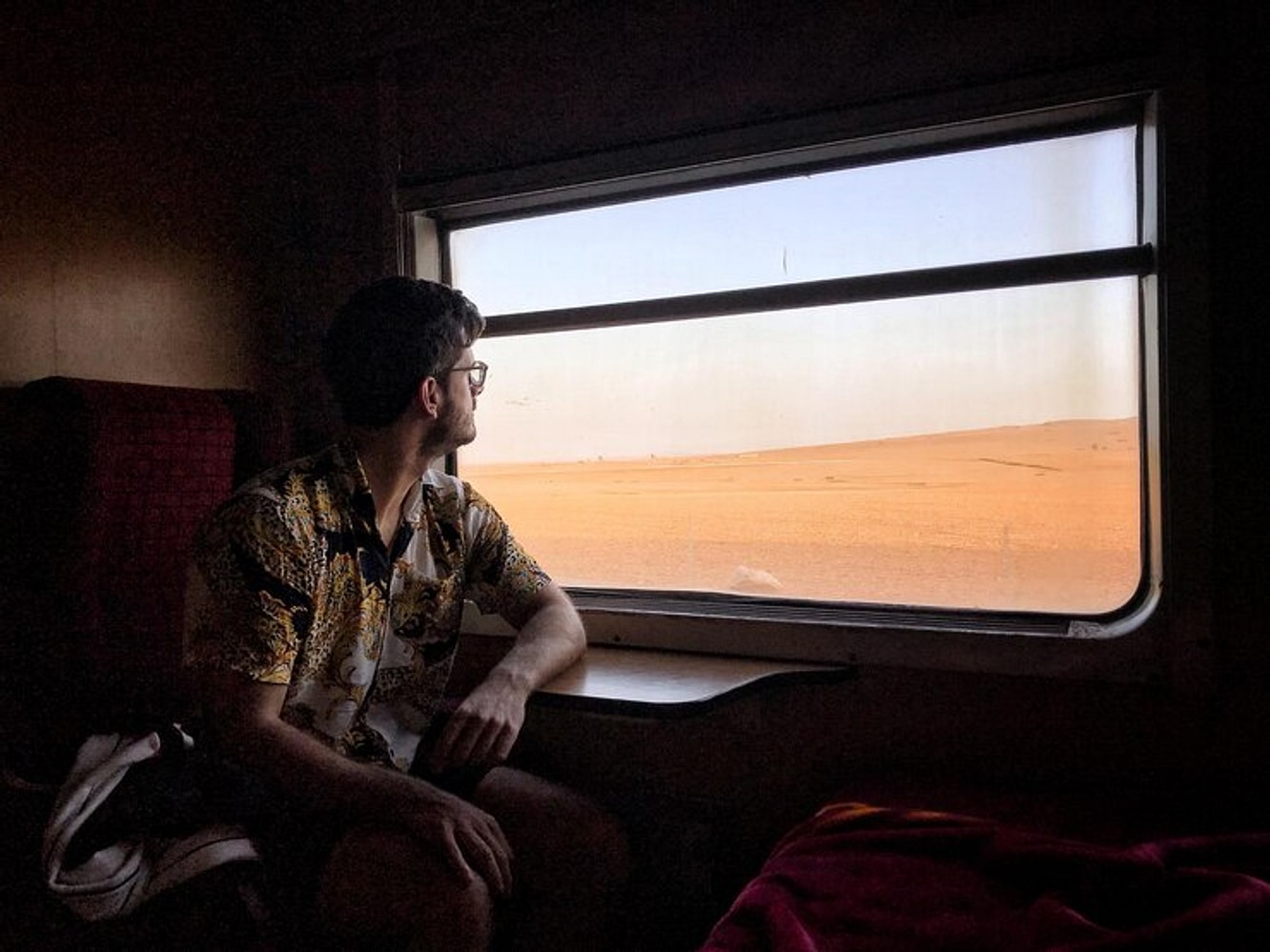
Train journeys have a uniquely magical quality. They turn ordinary travel into a moving story filled with shifting landscapes, quiet emotions, and unexpected inspiration. As scenery passes by the window, the rhythm of the rails encourages people to think, observe, and create. This article explores why train rides inspire creativity and why they often feel nostalgic and reflective.
The Allure of Train Travel: Why Trains Inspire Creativity
Train travel creates a world of its own. The gentle sway of the carriage and the steady sound of the wheels form a calming atmosphere, allowing deep thinking and daydreaming.
The rhythm becomes a creative trigger
The repeating click and hum of the tracks act almost like a metronome. Many writers and artists say this rhythm helps ideas flow naturally.
Changing scenery sparks imagination
With every passing mile, the view transforms—fields, forests, small towns, city edges. These visual shifts stimulate the mind and bring new perspectives.
Strangers become characters
Trains bring together people from different backgrounds. A quiet reader, a family chatting, or a traveler lost in thought can become the beginning of a story in your mind.
The pace of train travel is slow enough to observe, yet steady enough to keep the imagination moving.
Capturing Fleeting Views: Why Train Windows Feel Like Life in Motion
Looking out a train window feels like watching life unfold in a series of moments you can’t pause. The world moves quickly, yet each scene feels meaningful.
Here’s why the view from a train window feels unforgettable:
Moving landscapes look different
Familiar scenery becomes new when seen in motion—ordinary streets, distant hills, or industrial areas take on a story-like quality.
Nature brings calm
Rivers, meadows, or sunset skies viewed from a train remind travelers how large and beautiful the world is.
Cities reveal hidden sides
Train tracks often run behind neighborhoods, showing places travelers rarely see from the road.
People outside add humanity
Workers in fields, vendors near crossings, or children waving as trains pass create brief but emotional connections.
Each fleeting moment reminds us that life moves forward. These images often become memories that stay long after the trip ends.
Quiet Companions: The Inspiration Found in Fellow Travelers
Every passenger on a train carries a personal journey. Observing them quietly can inspire curiosity and creativity.
People spark stories
A person staring out the window, a couple whispering, or a child laughing can inspire a dozen imagined narratives.
Emotions become visible
You can often sense happiness, exhaustion, excitement, or sorrow simply by watching body language.
Different generations add richness
Children bring energy. Older travelers bring calm and wisdom. Together, they create a living tapestry of human experiences.
Noticing these small details can inspire writing, drawing, or reflection. Train travel connects strangers without words and creates a shared moment in time.
Writing Your Journey: Turning Train Memories Into Words
Writing on a train feels natural. The movement of the carriage and the passing scenery guide your thoughts.
Focus on what moved you
Describe a sound, a light, a view, or an emotion. These small details build powerful paragraphs.
Let other passengers inspire your writing
A person’s gesture, book choice, or expression can spark a story idea.
Take notes during the ride
Write down sensory words—colors, sounds, textures, moods. Later, expand these into essays, poems, or reflections.
Writing on trains captures the essence of the journey and keeps the memories alive long after arrival.
The Symbolism of Train Windows in Literature and Art
In literature and visual art, train windows are rich with symbolism.
They represent transition
A train window frames life in motion, symbolizing change, growth, or the passage of time.
They evoke emotion
Authors use train windows to express longing, hope, nostalgia, or uncertainty.
Films use trains for emotional scenes
Many movies feature characters reflecting or transforming while looking out of a train window.
Photographs capture meaning
Classic photos of people gazing through train glass highlight quiet moments of thought and emotion.
A train window is not just glass—it is a metaphor for movement, memory, and reflection.
How Train Journeys Fuel Imagination and Nostalgia
Train rides often awaken creativity and bring back memories from the past.
The movement encourages deep thinking
The gentle rocking of the train helps people reflect on life, dreams, and future plans.
Nostalgia surfaces naturally
Many travelers are reminded of childhood trips, family holidays, or earlier adventures.
The simplicity inspires ideas
The minimal distractions on a train make it easier to imagine, dream, and create.
Sounds trigger emotion
The whistle of the train or the rhythm of the tracks can feel comforting and familiar, stirring old memories.
Train journeys feel timeless—they connect the present moment with past experiences and future possibilities.
The Role of Solitude in Creative Inspiration on Trains
Solitude on a train doesn’t feel lonely. It feels freeing.
Time alone feels meaningful
Sitting by the window gives space for thoughts to unfold naturally.
Ideas grow quietly
Questions, dreams, and creative ideas finally get room to breathe.
Books and notebooks become companions
Many people read or write more deeply while riding trains, thanks to the peaceful environment.
Private reflection becomes powerful
Thoughts that are ignored in daily life often become clearer during a long ride.
This solitude becomes a treasured part of the journey and often leads to inspiration that lasts long after the ride ends.
Frequently Asked Questions
What makes train journeys so conducive to storytelling?
The combination of movement, scenery, and human interaction provides endless material for imagination and narrative creation.
How do train windows symbolize passage and transition in stories?
They frame moments in motion, representing time passing, personal growth, and life-changing transitions.
What are the best ways to capture emotion while observing through a train window?
Focus on specific details—colors, sounds, weather, people. Connect these observations to larger themes such as memory or emotion.
How can travelers turn fleeting moments into lasting narratives?
Take notes during the ride, using sensory details. Later, expand these notes into stories, poems, or reflective essays.
Final Thoughts
Train journeys are more than transportation—they are emotional landscapes filled with creativity, nostalgia, and inspiration. Every ride offers a collection of fleeting scenes and quiet reflections, waiting to be remembered or turned into stories. The next time you ride a train, allow your imagination to wander with the scenery and capture the moments that move you.