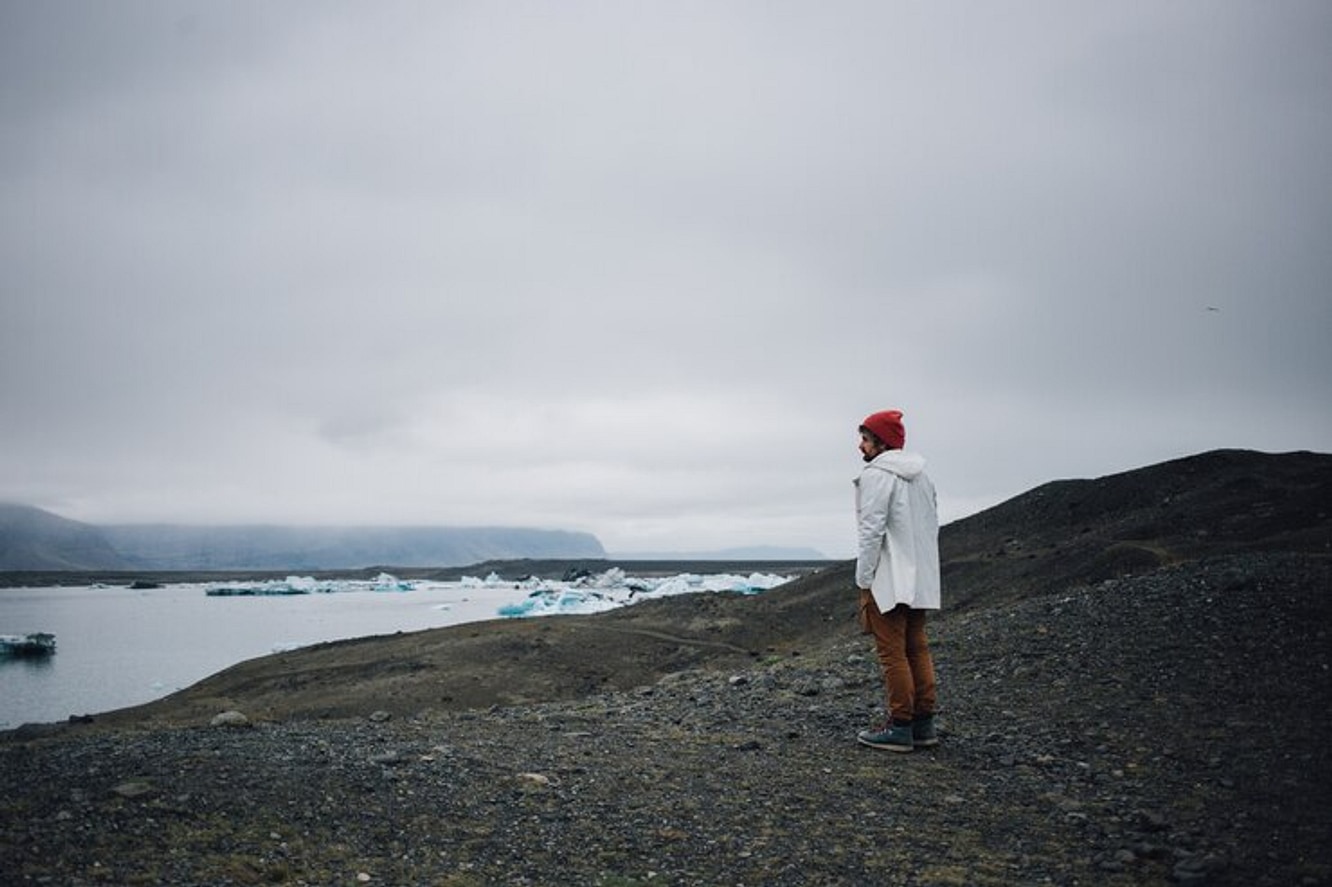
Sometimes life feels like a giant map with no clear direction. You wander without a fixed destination, unsure where you’re supposed to go next. But what if that wandering is not a mistake? What if losing direction is exactly what leads you to the growth you didn’t know you needed?
This blog explores why drifting, exploring, and letting go of control can open deeper clarity, unexpected lessons, and a renewed sense of self.
The Beauty of Wandering: Letting Go of Direction
Wandering isn’t about carelessness—it’s about slowing down enough to notice life’s subtler rhythms.
Most people try to control every moment of their lives, and in doing so, they become frustrated the second life throws a surprise at them. But when you let yourself wander, you see what you usually miss.
Life is like a long trek. Yes, there’s a main trail—but there are also hidden side paths.
And sometimes, the side path holds more beauty, adventure, or wisdom than the one you originally chose.
Wandering brings simple joys:
- Discovering a small shop you wouldn’t have noticed
- Meeting strangers who feel like old friends
- Stumbling upon a breathtaking sunset
- Realizing slow moments can be just as valuable as busy ones
Having a rigid purpose can make you blind to spontaneous beauty. Wandering opens you up again.
Embracing Uncertainty: Learning to Trust the Journey
Uncertainty feels uncomfortable—but it is also a doorway to potential.
Plans fall apart. Trains get missed. Opportunities slip away. But often, those interruptions create the exact conditions for something better.
Uncertainty teaches:
- Flexibility
- Adaptation
- Confidence in the unknown
- Trust in life’s timing
Traveling without strict plans forces you to be present. You might end up eating in a random café, meeting new people, or discovering joy in unexpected silence.
When you stop forcing life to obey your timetable, life starts showing you possibilities you never imagined.
Why Getting Lost Might Be Exactly What You Need
“Lost” is often seen as wrong—but it can be a powerful reset.
Getting lost helps you:
- Break repetitive routines
- Restore curiosity
- Think creatively again
- See new paths and opportunities
- Wake up from autopilot living
When everything in life feels predictable, getting lost shakes your mind awake.
It reminds you:
- There are still things to discover
- You are capable of more than you think
- Your comfort zone is not your entire identity
- New versions of yourself can emerge when you’re off-track
Sometimes, losing your direction gives you exactly what structure cannot: fresh eyes, new courage, and renewed energy.
The Psychological Benefits of Letting Go of Control
Trying to control everything often creates more stress than comfort.
Letting go—just a little—brings huge emotional benefits:
- Less anxiety
- More openness
- Greater appreciation of small joys
- Freedom from perfectionism
- A calm mind that notices beauty
Think of children: they play freely, without expectations, and find joy in the simplest things. Adults often lose that magic because they try to choreograph every moment.
Letting go reconnects you with that playful, curious part of yourself.
Stories of Growth Found in the Unexpected
Real growth rarely happens in perfectly planned moments.
It shows up in the messy, chaotic, unplanned ones.
Example 1: Priya’s Missed Flight
My cousin Priya once missed a connecting flight and felt miserable—until she met a group of travelers in the unexpected city she landed in. Their conversations inspired her future career. Today she jokes, “Missing that flight was the best accident of my life.”
Example 2: Losing a Job, Finding a Purpose
When I lost my job, I felt devastated. But in the quiet of that lost period, I discovered writing. Looking back, that loss was simply a doorway to something bigger and truer.
Life’s interruptions often guide us to places success never could.
How Being ‘Lost’ Invites New Perspectives
Being lost removes your autopilot and expands your worldview.
You begin to see:
- Different lifestyles
- People who live with passion over pressure
- Cultures with different definitions of success
- Inspirations you won’t find in routine life
Someone stuck 10 years in a repetitive job might spend a few months traveling and return with a newly awakened creative vision because they saw life lived differently.
Being lost creates space for reflection, empathy, reinvention, and clarity.
The Subtle Art of Enjoying the Unknown
Enjoying uncertainty is a skill that grows slowly.
At first it feels awkward, even scary. But with time you learn:
- You don’t need all the answers
- Life doesn’t fall apart when plans shift
- Some of life’s best moments come unplanned
- The unknown can be exciting instead of frightening
When you relax into the unknown, life feels lighter.
You start embracing moments instead of fearing them.
Final Thoughts: Sometimes the Best Path Has No Map
You don’t have to know where you’re going to grow.
You don’t need a perfect plan to find purpose.
You don’t need certainty to move forward.
Wandering, drifting, exploring, getting lost—these are not failures.
They are invitations.
Invitations to:
- Learn
- Transform
- Discover
- Let go
- Trust
- Live fully
Sometimes the path with no direction leads to the most meaningful destination of all: your truest self.s appetite fulfillment explanatory exposing newness vaster differ.