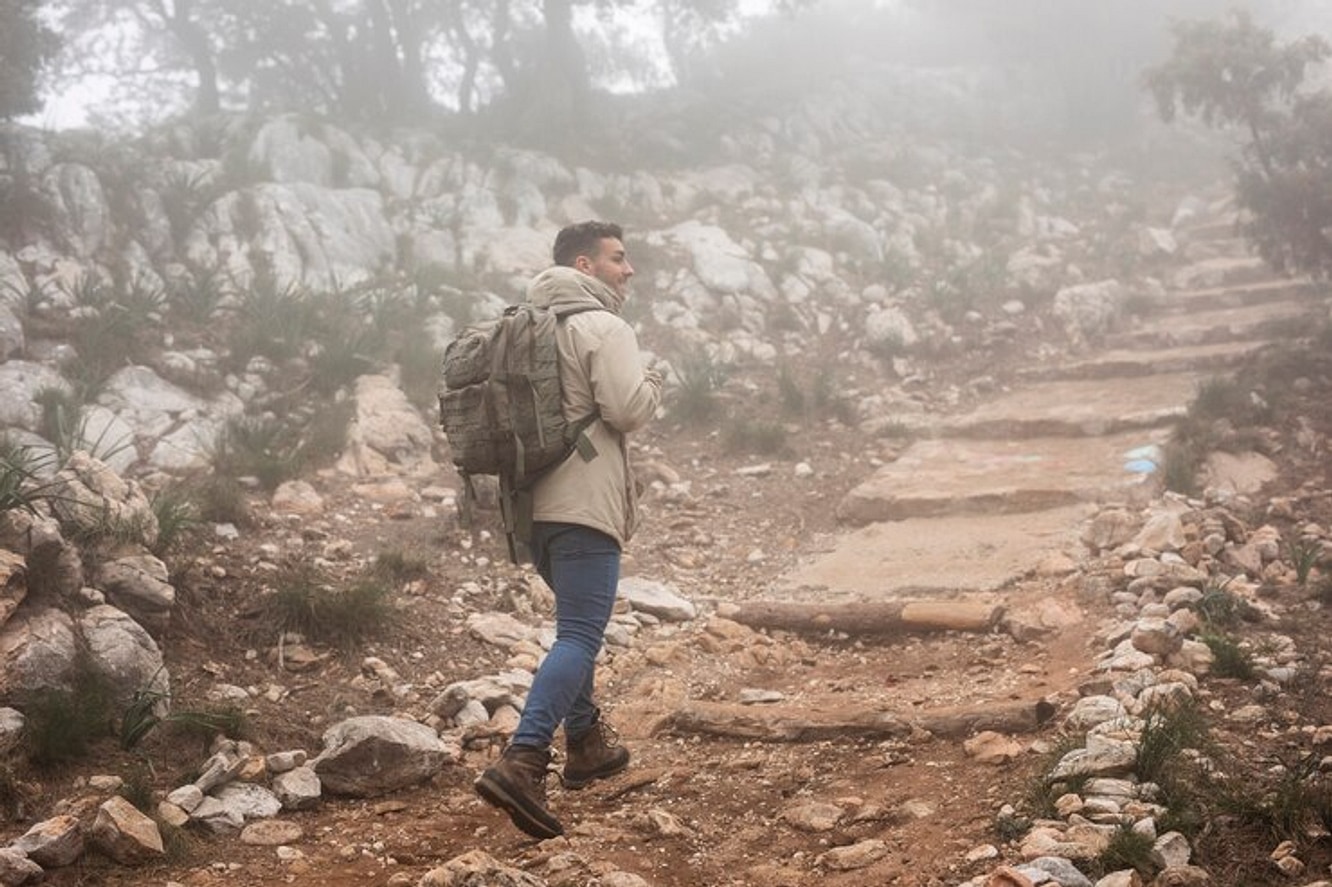
Traveling is more than reaching a destination—it’s about living the journey. When we rush from one attraction to the next, we miss the subtle beauty of the road. Slow travel encourages presence, observation, connection, and discovery. It creates experiences that stay with us long after the trip ends.
Let’s explore why slowing down truly matters.
Understanding the Philosophy of Slow Travel
Slow travel isn’t about literally moving slowly—it’s about valuing every moment.
Instead of squeezing multiple destinations into one day, slow travel invites you to:
- Immerse yourself fully in one place
- Appreciate quality over quantity
- Build real connections with people and culture
- Experience meaningful, everyday details
This mindset transforms travel from a checklist into a deeper, more enriching journey. Even spending a full day in a small neighborhood or park can feel fulfilling because you’re present, aware, and engaged.
How Speed Impacts Authentic Experiences
Rushing through a trip often leads to surface-level experiences. You may capture photos—but not the story behind them.
When speed takes over:
- Conversations with locals become brief
- Cultural rituals go unnoticed
- Emotions feel rushed
- Real understanding fades
- Experiences lose depth
Authentic memories form when you give a place time. Wisdom grows when you allow the environment, people, and stories to unfold naturally.
The Power of Observation
Observation is the heart of slow travel.
When you slow down, you begin to notice:
- The rhythm of local life
- The scent of street food
- The colors, textures, and sounds around you
- Small daily rituals that define a culture
These details create deeper bonds with the surroundings and turn ordinary moments into something unforgettable.
Lessons Learned Through a Slower Pace
Spending more time in fewer places teaches powerful life lessons.
Slow travel encourages:
- Patience
- Reflection
- Personal growth
- Cultural appreciation
- Emotional awareness
Trying local art, listening to street musicians, learning regional crafts, or tasting hometown dishes becomes meaningful. Each slow moment allows new insights to bloom—insights that often change your perspective on life.
The Joys of Serendipitous Discoveries
Some of the best travel memories are unplanned.
When you move slower, you create space for:
- Stumbling upon charming tea shops
- Discovering handmade items in hidden markets
- Random conversations with locals who share unique stories
- Finding small side streets that tourists overlook
- Witnessing a local ceremony or tradition by accident
Serendipity thrives when your schedule isn’t packed.
Reducing Stress by Embracing a Slower Journey
Fast-paced travel can quickly turn into exhaustion: endless walking, rushing to tours, racing to catch transport, and checking off itineraries.
Slow travel removes this pressure.
With a gentler pace:
- Stress decreases
- Energy lasts longer
- Days feel easier and more meaningful
- Flexibility replaces worry
- Mistakes stop feeling like disasters
Travel should feel joyful—not overwhelming.
Connecting With Local Cultures and Communities
The essence of travel is connection.
Rushing sends the message that you’re only passing through. Slowing down helps you:
- Join local events
- Learn basic phrases
- Hear life stories
- Explore neighborhoods with intention
- Support family-owned businesses
- Build respectful cultural relationships
Communities respond warmly to travelers who take time to understand and appreciate their world.
The Role of Mindfulness in Slow Travel
Mindfulness transforms travel into a fully lived experience.
Being present helps you:
- Appreciate your surroundings deeply
- Enjoy meals with intention
- Tune into nature
- Notice emotional shifts
- Create richer memories
Mindfulness encourages savoring the moment—whether you’re watching stars at night, sipping tea in the morning, or wandering ancient streets.
FAQ: Understanding Slow Travel
1. What are the benefits of slow travel compared to fast-paced tourism?
Slow travel offers deeper cultural immersion, improved emotional clarity, reduced stress, and more meaningful memories. Fast-paced tourism often prioritizes quantity over quality, leading to exhaustion and superficial experiences.
2. How does rushing impact your ability to connect with local communities?
Rushing limits conversations, prevents meaningful interactions, and reduces opportunities for cultural exchange. Locals connect better with travelers who stay longer and show genuine curiosity.
3. What are some strategies to embrace a slower travel experience?
- Choose fewer destinations
- Extend your stay in each place
- Build flexible itineraries
- Walk more instead of rushing via transport
- Allow unplanned time for wandering
- Prioritize experiences over checklists
4. How can slowing down enhance cultural and personal discoveries?
A slower pace allows you to notice details, listen more, engage deeper, and reflect often. This leads to insights about culture, humanity, and yourself—discoveries that rushed travel rarely provides.
5. Is slow travel suitable for all types of travelers?
Absolutely. Whether you’re solo, with family, or on a budget, slow travel can be adapted to any lifestyle. It saves money, reduces stress, and enriches the entire journey.