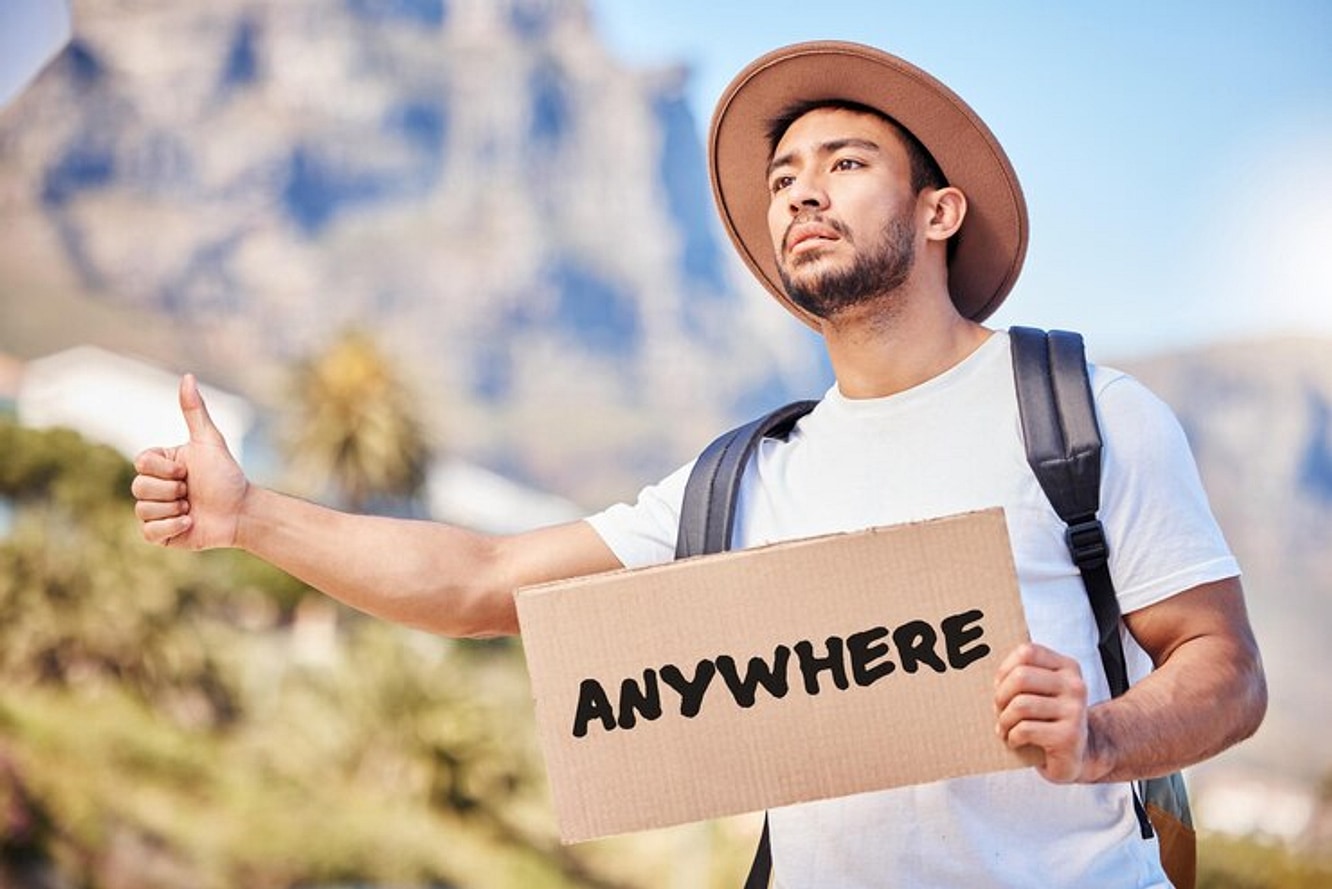
Traveling without return plans seems exciting adventurous and maybe slightly impractical. Well it is more than just a way to explore experiences. This mindset embraces freedom uncertainty and new experiences beyond strict plans.
Introduction to the One-Way Ticket Mindset
The one-way ticket mindset means stepping out of comfort. You let go of rigid travel timelines and pre-booked return plans. It is living in the moment, being free to extend your stay anywhere. You kind of choose experiences over following a specific checklist. Basically it offers spontaneity adventure and kind of personal growth. You explore like never before.
I think it feels kind of unconventional. Many people find it actually teaches lessons in flexibility and adapting. This approach is like a journey to discover more than destinations. It helps individuals learn about themselves. It is not smooth, though, but growth never comes easy.
Breaking Free from Conventional Travel Plans
Traditional travel often involves defined itineraries with return flight bookings, leaving no flexibility. A one-way mindset removes those limitations. You are not bound by dates, and it creates freedom because you stay where you want longer. It is less about seeing everything and more about enjoying one place deeply.
You might basically decide to switch countries in the middle. Maybe, change accommodations or venture into smaller towns. The control of plans no longer belongs to the ticket. Your decisions totally drive the experience. But this approach can overwhelm planners. It means accepting chaos slightly and letting things flow naturally.
Embracing Uncertainty and the Freedom It Brings
When there is no return date, you, well, have to deal with uncertainty. But it eventually becomes exciting. You gain more confidence when journeys unfold in unexpected ways. It teaches adapting handling surprises and embracing unknown challenges ahead.
For example, traveling this way gives space for meeting locals. It leads to discovering hidden spots that guidebooks skip. You choose how far or near you travel after landing in a place.
Uncertainty also adds a thrill. There is kind of excitement when ventures are unplanned. It could get stressful for some, but small victories, like solving problems abroad, give immense satisfaction.
How to Pack for an Open-Ended Adventure
Packing for an uncertain, open-ended journey can sort of be tricky. Essentials matter more than trends because every item has to serve multiple purposes. You focus on function, lightweight, and a minimalist list to manage.
- Choose clothes based on season adaptability because weather changes often surprise people. Layers work best.
- Always pack durable sturdy bags because travel demands strong luggage.
- Carry travel-sized toiletries because replacing them globally is kind of easy.
- Bring universal items like a power adapter because electronics must work everywhere.
- Do not forget important documents because they are irreplaceable during extended stays.
Balancing functional and versatile packing is kind of the key. But it always feels you packed either too much or too little. Well, you adjust after being on the road.
Managing Finances for an Indefinite Journey
Money is sort of your travel lifeline, and budgeting becomes extra important on an open-ended journey. With no return timing, expenses need careful planning and watchfulness. You do not want to run out of resources midway.
Spread your funds wisely, based on location. Cheaper countries can stretch your budget longer. Keep different income sources like freelancing or maybe remote jobs. Well emergency savings must just always remain untouched. A good trick is splitting them across wallets, accounts, or even trusted friends. Unexpected expenses pop all the time when plans lack structure, but controlling daily spends balances them.
Treat finances like an extra flexible ticket; the more durable, the farther you travel. Learning basic currency exchange matters also saves major cash abroad.
Navigating Cultural and Language Barriers Without a Plan
Exploring unpredictable destinations brings new cultural challenges. It feels frustrating to constantly decode language. But, gradually, these barriers teach valuable life approaches.
Learn quick phrases before arriving somewhere unknown. It helps starting conversations. Body language surprisingly connects with strangers everywhere. Acts like bowing, smiling, or nodding bridge initial gaps. Translate using apps, but pick local words when possible because effort shows respect.
Social media tools connect with nearby communities, bring tips, or locals. Plus, food routines or public customs require observation until one adjusts. But over time, you grow flexible about varying styles worldwide.
Being curious smoothens every interaction across years traveling among diverse countries.
The Emotional Challenges of Long-Term Unplanned Travel
Long-term travel has no end which actually causes emotional exhaustion. While exciting at first, constant new environments get tiring without rest. Traveling also makes relationships back home distant fast. Loneliness creeps in, especially solo wandering.
Missing constancy catches up even while exploring paradise cities. Personal emotional grounding holds importance here. Journaling or revisiting spots becomes helpful during low phases. Unexpected delays test patience mentally beyond resources at times too.
As much transformative as travel becomes, acknowledging its downsides balances expectations wonderfully. Budget setbacks fix themselves easier than emotional bursts do, truthfully.
What are the advantages of traveling without a return plan?
A flexible timeline means you can immerse yourself more in one place. You can adjust destinations according to changing preferences, weather, or recommendations. Spontaneity offers thrilling adventures and stronger personal growth.
How do you mentally prepare for indefinite travel?
Plan small practicalities like finances, and mentally embrace uncertainties or challenges. Think of every challenge abroad as learning. Realistic plans help kind of deal with homesickness and social frustrations.
What should you consider when choosing your first destination?
Pick an adaptable destination where you feel excited yet comfortable. Choose spots with beginner-friendly logistics. Prioritize safety, affordability, and language compatibility while considering weather and basic connectivity well beforehand.
How can you sustain yourself financially during open-ended travel?
Freelancing, remote jobs, or temporary local work support indefinite travel greatly. Manage budget splits by adjusting spends between affordable choices. Emergency funds shield against surprises also.
The Way Ahead
The one-way ticket mindset, though intimidating at first, offers priceless growth potential via uncertainty. Experiences, culture shocks, or thrilling mini-adventures blend into deeper learnings. Trying this at least once opens wholly different perspectives, testing adaptability beyond standard plans. What better way to feel alive globally?